
Arrival in Naha
Land gently, protect the camera from humidity and use Kokusai-dori, the covered arcades and first Ryukyu flavours as orientation rather than a checklist.
 msarchia
 Okinawa / eight-day island journey
Eight considered days from Naha’s Ryukyu texture to Tokashiki, Zamami and one final landing on Okinawa main island—sequenced around ferries, sea conditions, island scale and the light that makes the water legible.
The principle
Okinawa becomes coherent when sea crossings, island scale and recovery time shape the route before a list of beaches does.
The journey begins with two nights in Naha, crosses to Tokashiki, slows for three nights on Zamami and returns to Okinawa main island for a final horizon. Ferry days are treated as real travel days; weather, luggage, wildlife rules and the last safe light remain part of every decision.
Follow the eight-day routeThe visual language
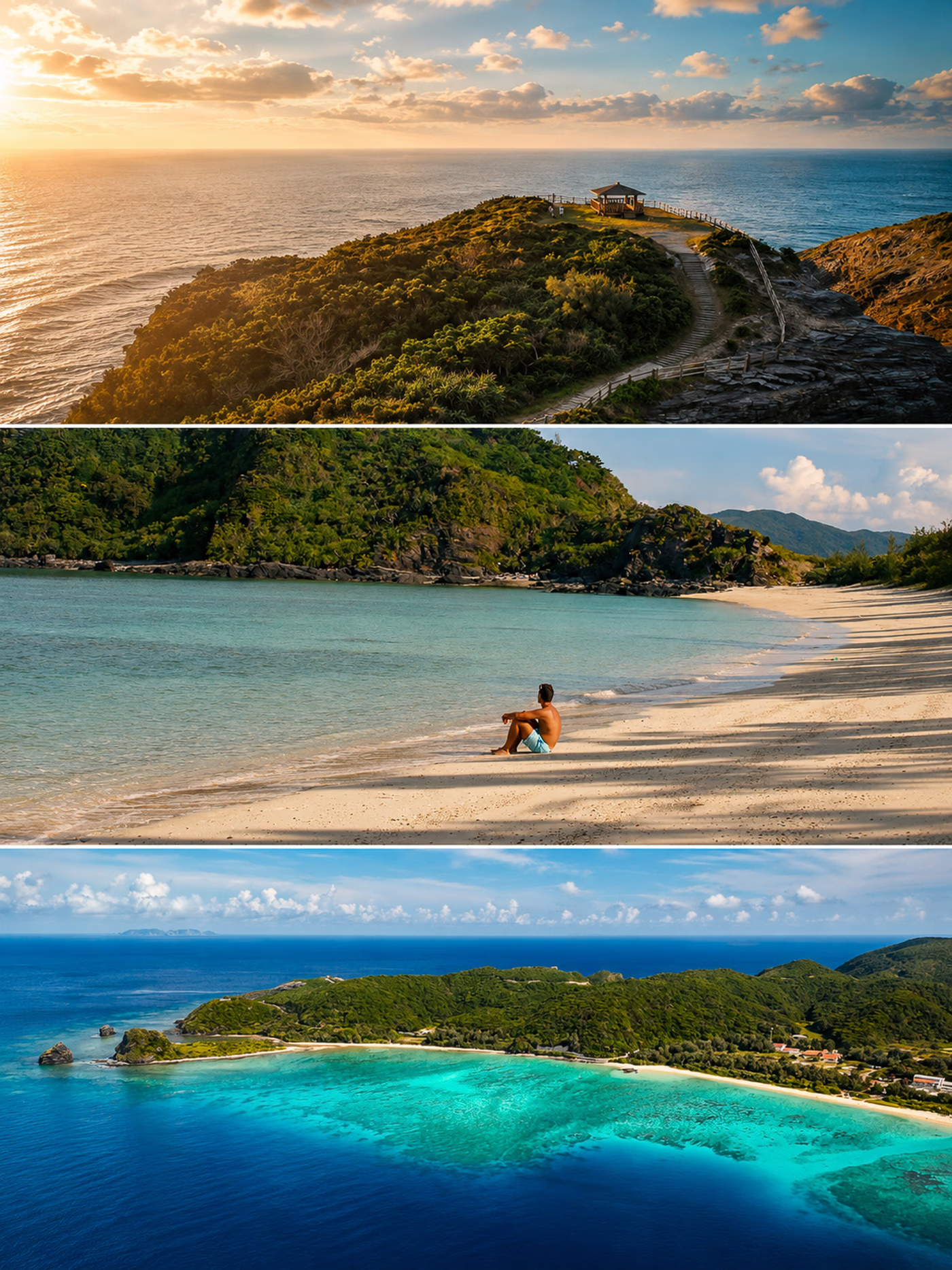
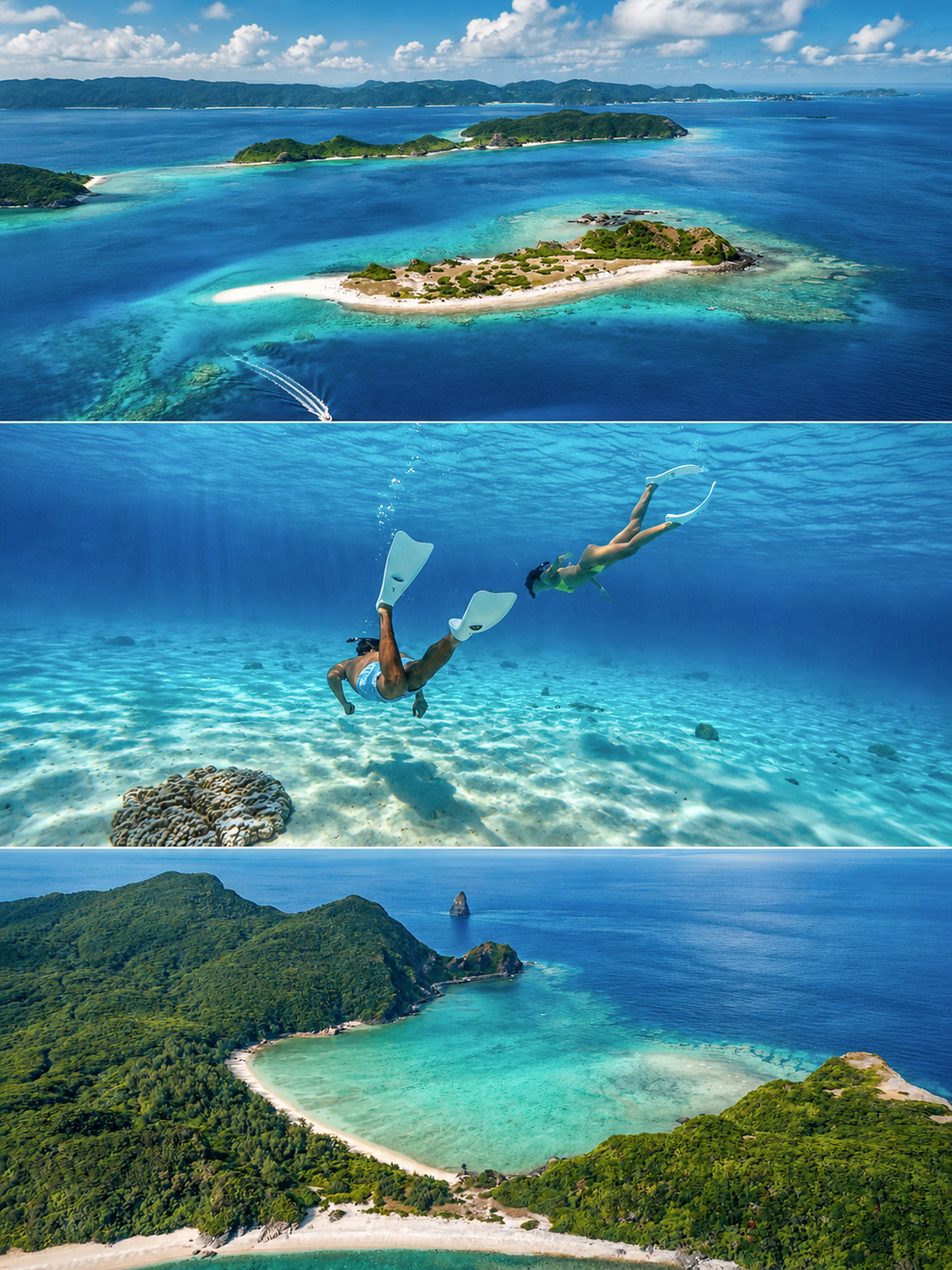
The strongest sequence moves from pottery, markets and humid city light into coral gradients, white sand, island silhouettes and underwater clarity. Each image works because the route leaves enough time to notice the transition.
The itinerary
Land gently, protect the camera from humidity and use Kokusai-dori, the covered arcades and first Ryukyu flavours as orientation rather than a checklist.
Move through Shuri, Tsuboya pottery, Makishi and Naminoue with enough time for craft, reconstructed architecture and street detail before the islands begin.
Let the first ferry crossing become the chapter: arrive through Aharen, settle into island scale and protect the final light without overloading the afternoon.
Use the inter-island transfer slowly, then read Furuzamami, Ama Beach and Takatsukiyama as one connected study of reef colour, sand and open distance.
Hold a full day for Ama Beach, gentle snorkelling, village rhythm and the small changes in water colour that only appear when the schedule stops moving.
Choose Aka, a licensed marine excursion or a flexible island day according to sea conditions—never forcing wildlife, access or boat plans into an unstable forecast.
Return through Naha and make the final lodging decision around ferry arrival, onward transport and one calm west-coast sunset rather than unnecessary distance.
Keep the closing frame personal and simple: a quiet breakfast, one last waterfront detail and enough margin for the airport without turning departure into another itinerary.
Photography rhythm
Use softer city and village light for pottery, markets, façades and the small material details that carry Okinawa’s cultural identity.
Higher sun is useful when the subject is shallow coral water, sand and aerial geography—provided glare, wind and marine conditions remain controlled.
Protect the west-facing hours for island layers, warm harbour light and the final transitions from turquoise into deeper blue.
Inside the guide
A paced itinerary linking Naha, Tokashiki, Zamami, optional Aka Island and the final Okinawa main-island chapter.
A Google Maps layer with practical anchors for stays, beaches, viewpoints, transport points, food and photographic stops.
Clear guidance for softer urban light, transparent midday water, aerial geography, underwater work and west-facing sunsets.
Transfer priorities, fallback thinking and explicit reminders to verify operators, timetables and weather before every crossing.
A three-base structure designed to reduce wasted transfers while preserving enough time for the islands to feel unhurried.
Three planning scenarios, practical cost anchors and a concise list of the reservations that matter most.
